Foundation raising in Portsmouth NH - your house set back down level and sound
Cracked or sinking foundation under an older house? We lift the house, rebuild what's under it and set it back down.
- Fully licensed and insured.
- Free estimates at your property.
- We respond within 1 business day.
When does a house need to be lifted to fix the foundation?
The short answer: Foundation raising in Portsmouth means lifting your house off its old foundation, repairing or replacing what's underneath, and setting the house back down on something sound. It's usually a matter of weeks, not days.
Most people who call about this have already had a patch or two fail, and now the cracks, the sloping floors or the wet crawlspace point to the foundation itself. The price moves mostly with what the house sits on now, how big it is, how high it has to go and what we find once it's open. The schedule turns on permits, inspections, the weather and those same repairs. I won't guess at your number over the phone, because your own figure comes from the written estimate after I've seen the house, and we check what the city's building office needs before we set any date.
How do you know your foundation is past patching?
Cracks that keep coming back
If you've patched cracks in the foundation walls and they keep opening up again, the trouble is usually under the wall, not in it. Every season you wait gives water more ways in, and a simple repair gets less likely to hold.
Doors and floors out of level
Doors that stick, floors you can feel slope and gaps opening at the trim usually mean part of the foundation has dropped or shifted. The longer it goes, the more the framing above bends to follow it, and that's more to fix later.
Water in the crawlspace
Standing water, damp soil or a musty basement after rain tells me the water around the house isn't going where it should. Water working under the footings is where I see most foundation trouble start, and it doesn't stop on its own.
How we handle foundation raising
Lifting a house is a big step for a family, so before anything moves I lay out the whole plan with you, including how long you'll be out of the house and what happens to the yard. The usual way a house comes up is through tunnels dug under it, with steel beams set in and a jack under each beam, and once the house is held up, the old foundation gets repaired or replaced and the house is lowered back onto it. What I care about most is the subgrade, the soil the new footings sit on, and where the water runs around it, because that's usually where the old foundation failed. It's tempting to save on digging out and packing that base since nobody sees it once the walls are up, but it's the one place I won't cut, and I'd rather spend another hour working out a tricky corner than leave you a problem. The machines and the digging will tear up part of the yard, so we go over that with you ahead of time instead of surprising you at the end.
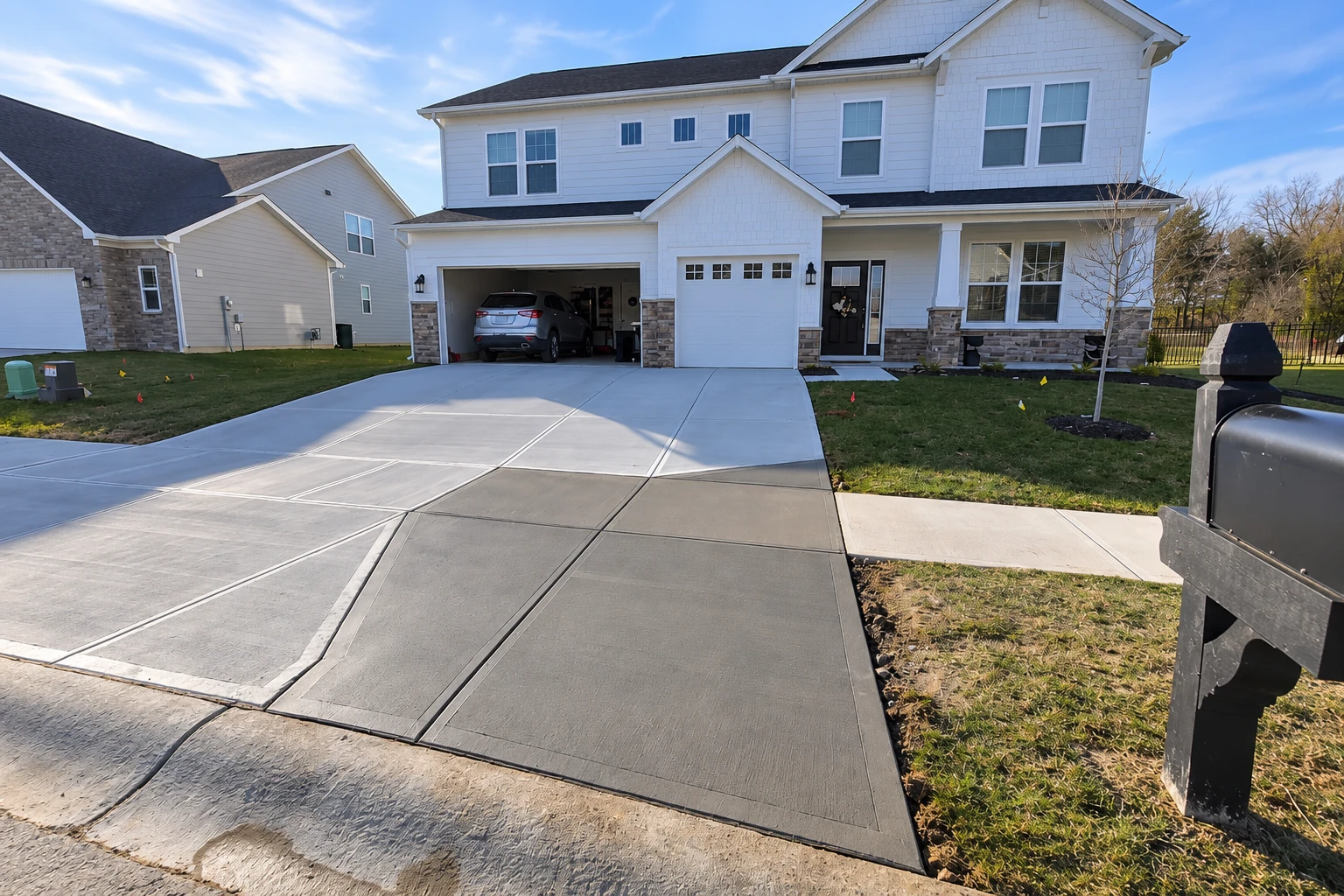
A lift often means other concrete has to come out of the way first. When a basement floor, a garage slab or a walkway sits where the beams need to go, we use concrete cutting to take out only that section. Trucks and equipment can be hard on a driveway over several weeks, so some owners finish with concrete driveway building once the house is back down.
Repair the foundation that's there
This suits a house where the damage is limited to one section and the rest of the foundation is still sound. There's less work under the house, so it usually costs less and moves faster.
Replace the whole foundation
When patching won't hold anymore, the usual answer is new footings and walls under the entire house. It's the bigger job, but you end up with a foundation built new from the subgrade up, with the water around it worked out.
What happens after you call about raising your house?
A lift takes more planning than most concrete work, so the steps start with a long look at the house and end with it back down and the site cleaned up.
- Step 01
Call or send a message
Tell us what you've noticed and roughly how old the house is, and we'll get back to you to set up a visit. If you know whether it sits on a basement, a crawlspace or posts, mention that too.
- Step 02
I walk the house myself
I look at the foundation inside and out, check where the water goes, and ask how you use the house and how long you can be away. Then you get a written estimate that spells out the work, the order it happens in and the plan for your time away, so you know the numbers before you decide.
- Step 03
Sort out permits and timing
We check what the city needs, help pull together the sketches or drawings, and pick dates with the season in mind. If the house is in the Historic District and the outside will change, a separate Historic District Commission review adds at least an extra month, so we plan for it from the start.
- Step 04
Lift, rebuild and set down
The house comes up, the foundation is repaired or rebuilt, and the house is lowered back on, with me on site for the pours. We clean up and walk the yard with you before we call it done.
Foundation raising permits and conditions in Portsmouth
In Portsmouth, building permits come from the city's Inspection Office. Its list names structural changes and repairs but doesn't name foundation raising, so ask the office how your lift is classified before you plan around it. When work touches the structure, the city asks for sketches or engineered plans that show the framing. Most house projects don't need stamped structural plans, and the city's code official decides when they're required, so we help gather whatever drawings the office asks for before a date is set.
We're based in Portsmouth and work in the cities around it on both sides of the Piscataqua River, and a lot of what we see are older houses near the water with foundations that have been patched more than once. The same questions about soil, water and old block come up on jobs in Kittery and Rye, so every lift starts with working out where the water goes.
Get a written plan and estimate for raising your house
We respond within 1 business day to set up a visit. I come out myself, the estimate is free at your property, and there's no pressure to book.
Why Portsmouth homeowners call Portsmouth Concrete Works
I write every estimate myself
I come out to look at the house and write the estimate, and our own crew does the work with me on site for the pours. You hear the plan from the person who'll be there when the new foundation goes in.
In business since 2017
I spent years on other crews learning slabs and foundations before I started this business in 2017. We like the awkward jobs, like tight side lots, sloped yards and old foundations that need opening up.
Plans for historic and flood areas
If your house sits in Portsmouth's Historic District or a flood area, we plan around that review from the start instead of finding out halfway through. On a lift, a late review can leave a house up on beams longer than anyone wants.
Fully licensed and insured crew
We're fully licensed and insured. With a whole house up on beams, that's the first thing worth asking any contractor about.
The thing to get right on this job is what your house comes back down onto. Call (603) 956-1034 or send us a message, and I'll come out and take a look.
Foundation raising questions from Portsmouth homeowners
How much does it cost to raise a house and replace the foundation in Portsmouth NH?
Across the US, raising a house and replacing its foundation usually costs about $20,000 to $100,000 per job. That's the market's range, not our price, and where your house falls depends a lot on what it sits on now, because a house on piers or posts over a crawlspace is easier to lift and usually takes less labor. My written estimate gives you the figure for your house.
How long does it take to raise a house and put in a new foundation?
The whole process takes about 4 to 8 weeks on average, by one national cost guide, and the lift itself takes 2 to 7 days once the prep is done. Permits, the type of foundation, how high the house goes, repairs, weather and inspections can all stretch it, so leave room for them in your plans.
Do I have to move out while my house is being raised?
Yes, you'll need to stay somewhere else while the house is lifted. Count that time away in both your plans and your budget, and we go over the dates with you early so you can line up a place to stay.
How do I check if my house is in a flood zone in Portsmouth NH?
Start with the city's MapGeo map for a first check, then confirm on FEMA's Map Service Center, which is the official source. Properties in Portsmouth's Floodplain District follow certain zoning rules, and for a substantial improvement in a FEMA flood hazard area, the city's permit file needs a record showing proper elevation. FEMA encourages using its Elevation Certificate for that, and you can also use it for flood insurance, and the city's floodplain page explains the district.
How do I get my house ready to be lifted?
Empty out the crawlspace or basement, and expect every utility to be disconnected first, including plumbing, electric, gas, heating, cooling, phone and internet. Furniture and belongings in the rooms above can stay where they are.
Will the new foundation crack like the old one did?
It shouldn't crack the same way if the cause gets fixed, and that cause is usually soil that moved or water that kept getting under the old footings. We look for it before anything new is poured, add rebar, the steel bars inside the concrete that hold it together, and let the concrete cure, the wait while it hardens and gains strength, before the house goes back on.
Concrete work that often goes with a lift
Concrete cutting
Saw cuts let us remove just the slab or step sections in the way of the beams, with straight edges that are easier to patch or pour against.
Concrete driveway building
Heavy equipment can leave a driveway cracked or rutted, and a new one poured on a dug-out, packed base gives you a solid way in again.
Talk through raising your house with us
Have your address, what your foundation is and a quick look at the city's flood map handy when you call (603) 956-1034 or fill out the form, so the first visit gets further.